
In 2026, nursing programs are more and more based on realistic training resources, so as to equip students against the realities of clinical demands. One of these tools is Obstetric Models which have proved very necessary since learners now have the opportunity to learn about child-birth, maternal anatomy, and obstetric processes without necessarily relying on the exposure in hospitals. Learning via simulation is safe, consistent and practical in the first semester. Most institutions are moving towards trusted brands such as Ambay Nursing Equipments to develop adequately equipped skill labs that are in line with contemporary competency-based curricula.
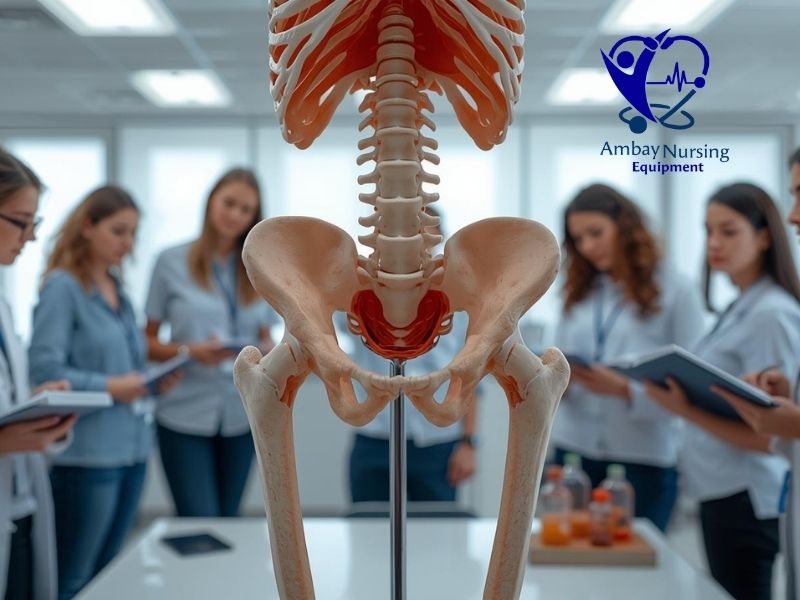
Table of Contents
The Transformation of Clinical Learning by Obstetric Models
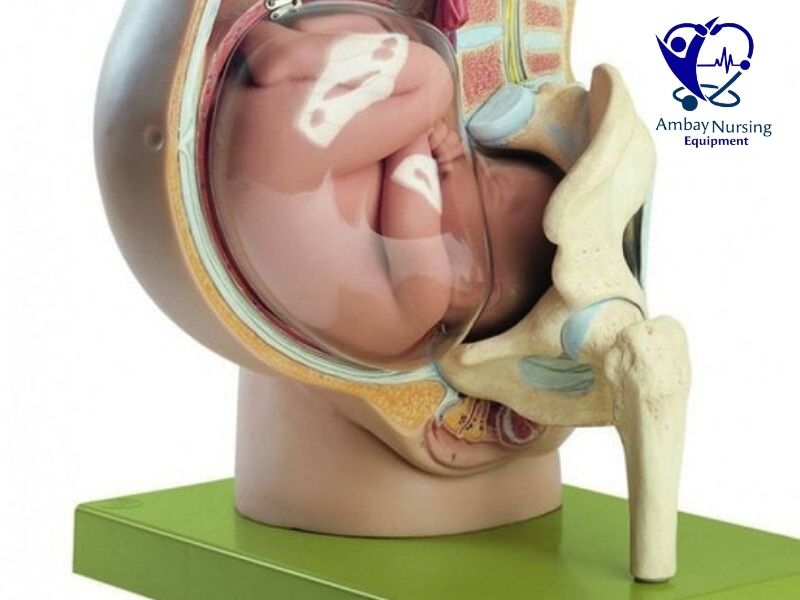
Obstetric Models of the best quality assist students to carry out maternal and fetal assessments confidently. These are models that imitate childbirth phases, fetal postures and swellings of the pelvis in a systematic, reproducible manner. Simulation is becoming more popular among educators since it can facilitate the development of measurably relevant skills and contribute to standardizing assessments, especially as nursing programs grow.
Key advantages include:
- Repeated practical experience.
- Less reliance on the availability of patients.
- Protected exposure to case emergencies.
- Enhanced memory by visual and tactile memory.
- Enhanced communication in the team during simulated deliveries.
Institutions are enhancing the foundation of learning, as well as at the advanced clinical reasoning level, by using Obstetric Models as part of their curriculum.
Obstetric Model Types Necessary to 2026 Training Laboratories
Obstetric Models are used differently with their learning purposes. To achieve a comprehensive training, nursing colleges normally invest in a blend of models.
Common categories include:
- Introduction level obstetric anatomy models.
- Skill-based practice Labor and delivery simulators.
- Intrapartum assessment stages on cervical dilation.
- Palpation accuracy fetal position trainers.
- Unpredictable scenario emergency simulation models.
The variety of types is necessary to make sure that students become acquainted with both simple cases and more complicated obstetrics cases that students might come across in their practice.
Promoting Models that Improve Obstetric Learning
Educators tend to incorporate other anatomical teaching aids to supplement Obstetric Models. As an example, female pelvic models assist students to learn about the characteristics of the pelvis when considering the landmarks during examination preparation. Medical training models are also implemented in institutions to develop multi-purpose simulation settings that can be used during interdisciplinary sessions. Also, obstetric teaching models can assist the instructors in carrying out guided demonstrations, whereas certain aids such as a pelvic exam model can assist learners to develop essential internal examination safely. With these supportive tools, there is a complete educational experience.
Why Realism is Important in Obstetric Training
The modern Obstetric Models provide high-level details and are practically similar to the actual clinical conditions. The correct design of the structure will enable students to hone correct hand positioning, pressure and sequence of procedure.
By realistic simulation, it is guaranteed that:
- More awareness of fetal position.
- Appropriate interpretation of cervical changes.
- Knowledge in birth mechanics.
- Accurate palpating methods.
- Lessening of anxiety prior to actual exposure with the patient.
The stronger clinical performance in their graduates is frequently noticed in institutions that emphasize realism.
The Increasing Influence of Growing Role of the Ambay Nursing Equipments in Skill Lab Development
There is an increasing demand for high-quality simulation, and hence, Ambay Nursing Equipments has become a household name in nursing education. Their line consists of robust Obstetric Models that could be used in accordance with the academic demands and that could bear the constant student traffic. The reason behind its popular choice by many faculties is because of realistic textures, dependable materials and designs that are easy to teach. Whether it is the nursing program which is upgrading its current lab or creating a new simulation center, Ambay Nursing Equipments provides reliable solutions to long-term educational value.
Simulation-Based Training and Its Influence on Decision-Making
Obstetric nurses are expected to make rapid, correct decisions. Students are also acquainted with the general and unusual situations using Obstetric Models prior to their clinical postings.
Simulation helps learners:
- Detect abnormal results at the early stages.
- Do step-by-step examinations.
- Establish effective communication with patients.
- Develop the consistency of the hands.
- Develop better documentation and evaluation.
Constant exposure to Obstetric Models translating to confidence based on advancing familiarity on the part of the students.
Learning with Obstetric Models Scenario-Based
Scenario-based activities are now applied in modern classrooms to present students with realistic challenges. The Obstetric Models used by teachers to develop their own simulations include:
- Prolonged labor
- Breech presentations
- Shoulder dystocia
- Rapid cervical changes
- Complicated fetal descent
Through these exercises, teamwork, critical thinking and proper intervention planning are promoted. When Obstetric Models are practiced, learners can ensure that they make mistakes in a safe environment before they meet patients.
Portable Obstetric Models to Outreach and Distributed Learning
In an effort to enhance accessibility, most of the programs hold workshops off campus. Portable Obstetric Models facilitate transportation of demonstrations to the rural institutions, continuing-education institutions, and provisional training centres. They have a lightweight and durable construction that enables them to be reused without affecting their accuracy. These portable models are highly appreciated by institutions as they make it possible to have flexible training programs and also provide equal opportunity to learn to all groups of students.
Modern Training Models Durability and Long-Term Performance
The high-use models need to be durable to constant usage by different batches of students. The modern Obstetric Models have better material, better strength and easy to clean surfaces. Such upgrades are useful in enabling institutions to manage their budgets efficiently without compromising on high standards of training. Skill labs have a long-term equipment base when accompanied by female pelvic models, medical training models, obstetric teaching models, and a pelvic exam model.
OSCE Preparation in Obstetrics Simulation
Objective Structured Clinical Examination is still a prominent feature in nursing curricula, and Obstetric Models are the foundation of most OSCE stations. They help students master:
- Sequences of step-by-step examination
- Professional communication
- Principles of infection control
- Assessment accuracy
- Documentation of findings
It is necessary to rehearse on these models so that the student is properly ready to pass graded assessments.
Combining Technology and Manual Simulation
There are institutions that use a combination of digital monitoring tools and physical Obstetric Models. This hybrid system enhances interpretation abilities since students have the ability to make a comparison between tactile results and electronic pointers. Integration of technology increases the effectiveness of learning and contributes to differentiated styles of teaching. By having this mixed method, learners will have a better grasp of obstetric care pathways.
Developing Clinical Competence in Organised Obstetric Skill Pathways
The way modern nursing programs are followed is through the use of layered learning techniques where new students gradually master. By introducing Obstetric Models in these frameworked clinical pathways, the learners will be able to step up to advanced delivery assessment techniques with the clear comprehension of the way that is done.
Important Elements of a Structured Skill Pathway
- Basic training: orientation in anatomy and safety measures, knowledge about tools.
- Intermediate simulation: cervical stages, position identification and practice of the labor mechanism of the fetus.
- Advanced use: the treatment of complications, teamwork games, deliveries on the scenario. Why This Approach Matters
An organized channel will guarantee:
- Seamless change between theory and practical competency.
- Less performance anxiety when placed in clinical postings.
- Improved scores in OSCE and skill tests.
- Greater long-term improvement of obstetric concepts.

Conclusion
Obstetric Models still continue to transform nursing education by filling the gap between theory and clinical practice in 2026. Their lifelike designs, simulation and the ability to integrate with other devices like the female pelvic model, medical training models, obstetric training models, and a pelvic exam model render them to be invaluable in skill labs. By partnering with brands, such as the Ambay Nursing Equipments, the nursing institutes have been able to provide well-structured, safe, and comprehensive training opportunities, which equip students with real-life obstetric care.
To understand how simulation improves clinical readiness, educators increasingly rely on evidence-based simulation-based learning in nursing education, which supports consistent skill development and safer patient outcomes.
FAQs
Q1. What is the relevance of Obstetric Models in nursing training?
They offer practical opportunities of practice that are realistic and repeatable to enable the students acquire clinical confidence prior to coming into contact with the patients.
Q2. What is the evidence of the use of female pelvic models to aid obstetric learning?
The female pelvic models explain the structure of the pelvis, anatomy, and methods of examination, which aid in the proper evaluation techniques.
Q3. What is the role of obstetric teaching models in classes?
Obstetric teaching models assist the instructors to express important steps in a clear way, and the complex ideas can be understood easily.
Q4. What is the advantage of a pelvic exam model to the beginner?
A pelvic exam model provides early-stage students with a safe method of practicing internal examinations in an appropriate method.
Q5. Where should the institutions purchase trusted Obstetric Models?
Reliable vendors such as Ambay Nursing Equipments offer high-endurance and high-accuracy Obstetric Models that could be used both in academics and clinical settings.